
Not Every Original Is One of a Kind
What "original" really means in the art world, and why the answer surprises almost everyone.
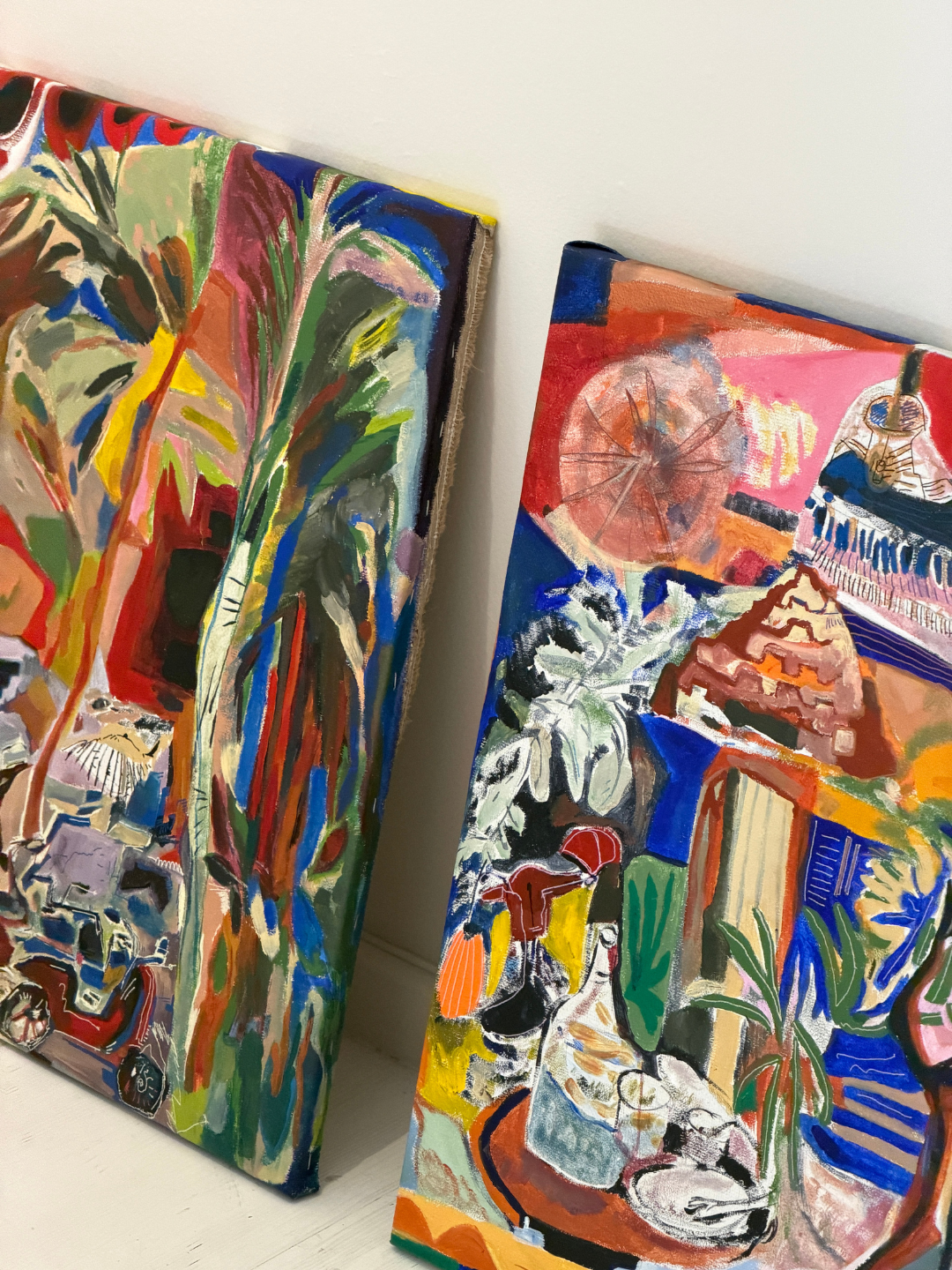
Ask most people what an original artwork is and the answer comes quickly: the one the artist made, the single canvas, one of one. It is a reasonable answer, and for paintings it is usually right. It is also incomplete in a way that confuses new collectors, inflates the word "limited edition" beyond its meaning, and causes perfectly good money to be spent on posters. So here is the full picture, the one the art world assumes everyone already knows.
An original is made by the artist. That is the whole test.
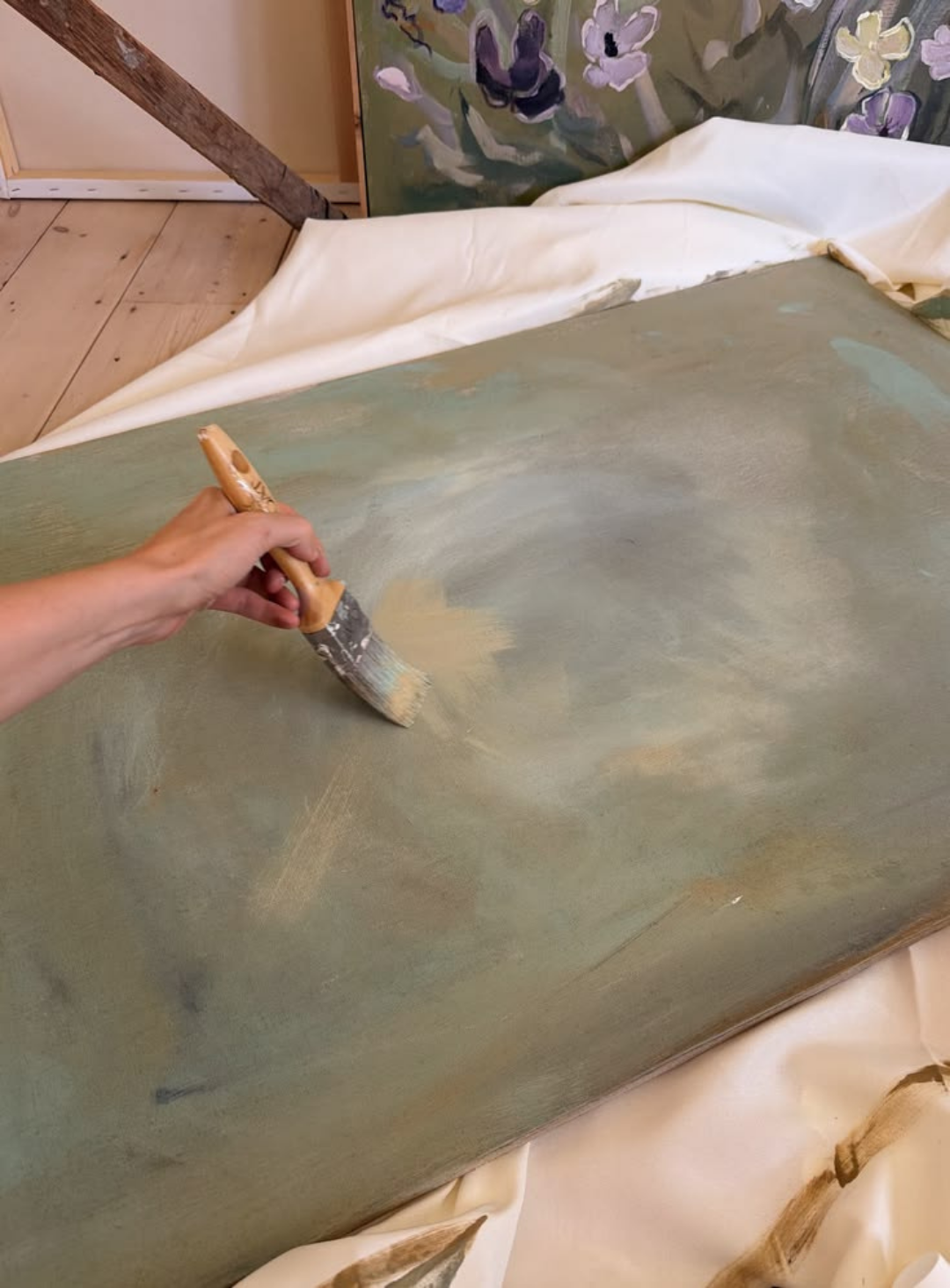
A painting, a drawing, a sculpture, a collage: one artwork, one owner, every mark the artist's own. This is the version of originality everyone understands, and nothing about it is wrong. The surprise lives one step further on.
An original does not have to be one of a kind
When an artist carves a linocut, etches a copper plate, or pulls a screenprint in an edition of thirty, the result is not thirty copies of an artwork. It is thirty original artworks. Printmaking is an art form in its own right, with its own centuries of masters, Dürer built his reputation on woodcuts, Rembrandt's etchings were collected across Europe in his lifetime, and Hokusai's Great Wave, arguably the most recognised image in art history, exists as an edition, not a singular object. Each impression was made by the artist's process, not copied from a finished work. Scarcity and originality are related, but they are not the same thing, and the artists who work in editions have never considered their work less original for existing in multiple.
So what is a reproduction?
A reproduction is a mechanical copy of an artwork that already exists somewhere else. Posters, giclées, and offset prints of a painting all belong in this category. They can be well made and worth having on a wall, but the distinction is absolute: the artist's hand made the original, and a machine made the copy. A reproduction of a painting is a picture of an artwork. An original print is the artwork.
"Limited edition" is the phrase to watch
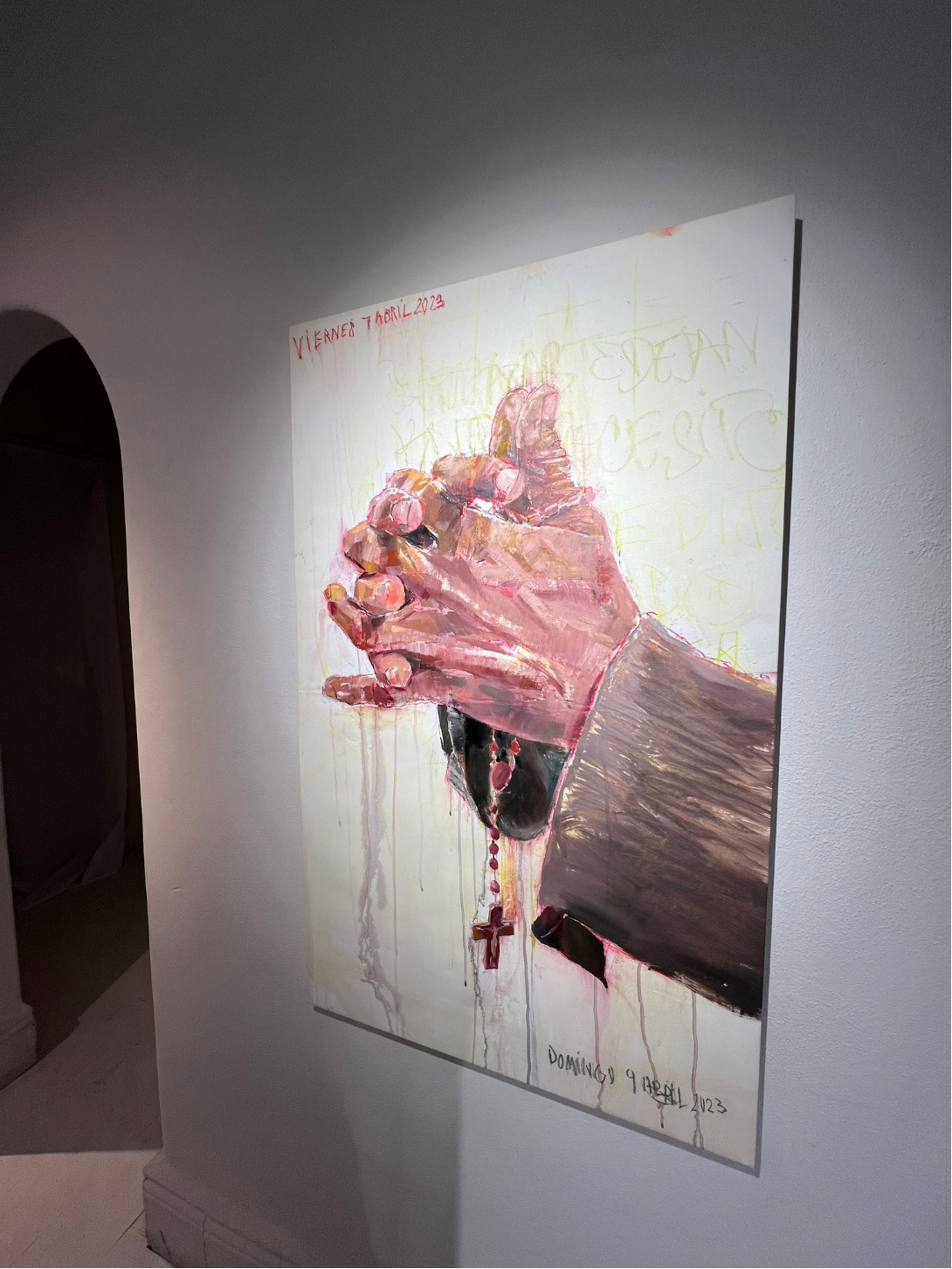
On a genuine original print, "limited edition" means something real: the run is fixed, the plates are often cancelled, and the work is scarce by design. On a reproduction, it is often just marketing, a large mechanical run given a number to borrow the language of scarcity. The question that cuts through it is never "how many exist?" but "what is this an edition of?" If the answer is an artwork that exists separately, you are looking at a copy of it.
How to read an edition number
The small fraction pencilled in the margin is a complete provenance system in two numbers. "12/50" means print number twelve in a closed edition of fifty. "A/P" marks an artist's proof, a small number of impressions the artist keeps outside the numbered edition, traditionally for themselves. A smaller edition generally means greater scarcity, and scarcity, combined with the artist's trajectory, is what moves value over time.
The questions worth asking before you buy
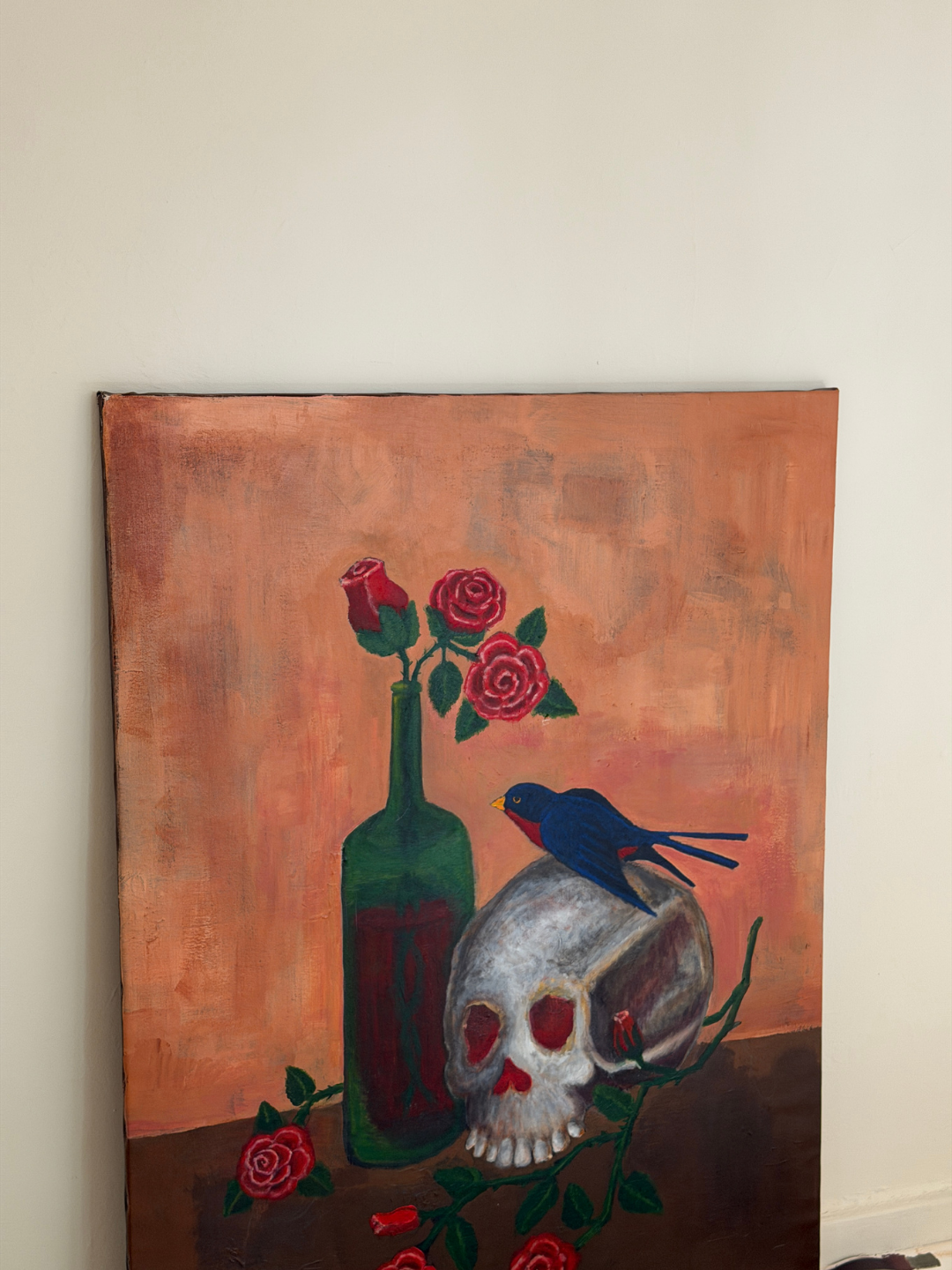
Is this an original work, an original print, or a reproduction? Is it signed by the artist? Is the edition closed? Does it come with a certificate of authenticity and an invoice? None of these questions is rude, and good sellers answer them gladly. Hesitation around any of them tells you something too.
And the oldest rule still wins
Documentation protects your purchase, but it was never the reason to collect. The reason is the work itself, and the best first acquisition remains the one you cannot stop thinking about, whether it is one of one or twelve of fifty. An edition number has never made anyone love a picture less.
Every artwork on NALA is original, sourced directly from the artist's studio, from unique works to hand-pulled editions, with the edition details listed where they apply.