
The Eight Colors, Read
Your aura portrait, decoded, for how you collect and how you make.
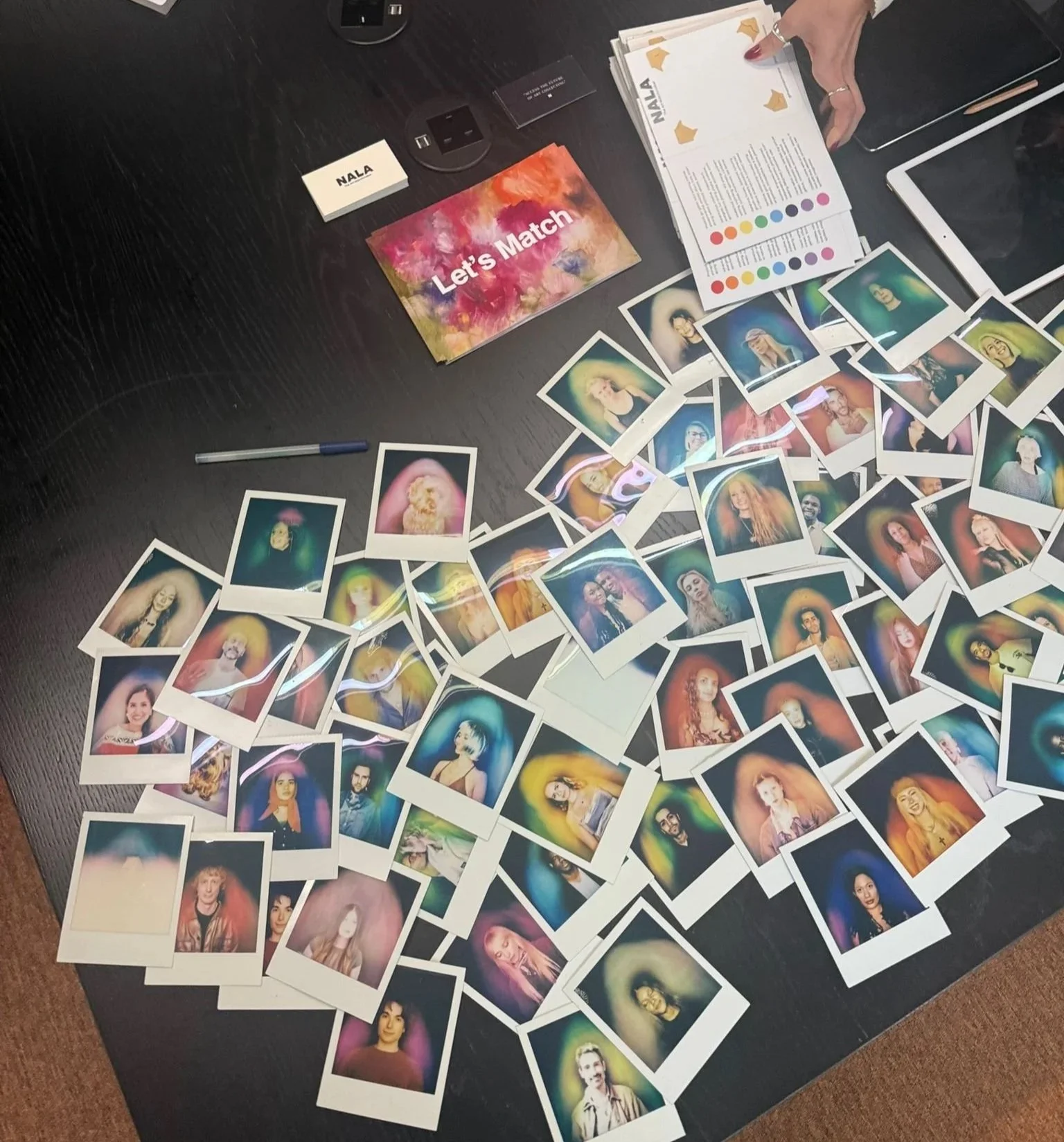
If you were at 10,000 HOURS on opening night, there's a decent chance you're now the owner of an aura portrait: your face in a haze of colour, photographed in the NALA room at Laundry Studios. The card that came with it named the colours. This is the longer conversation.
A quick word on how to read this. Your portrait probably holds more than one colour, and that's normal, read your dominant one first, then let the secondary shade complicate it. Nobody is one colour. The reading isn't a verdict, it's a mirror with a suggestion in it: for collectors, what your colour says about the work you're drawn to and what to look for next; for artists, what it says about how you work, where that strength sits, and the habit most likely to get in your way.
Find your colour. Then go see if it's right.
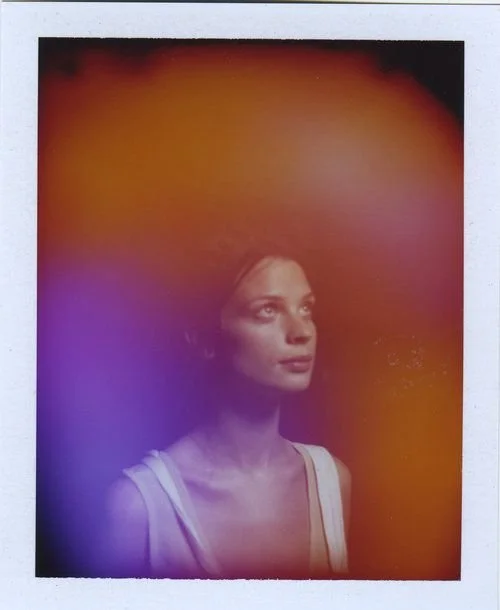
No portrait? You don't actually need one. The camera was one way to pick your colour. The other is simpler: read the eight and notice which one describes you with slightly uncomfortable accuracy. The paragraph you recognize yourself in, or the one that stings a little, was always going to be your colour. The photograph just gets there faster, and with better lighting.
RED
If you collect: You respond to work with force in it, bold gesture, saturated colour, and scale. You're drawn to pieces that hold a room rather than sit politely inside it, and you tend to know within seconds whether something has enough conviction to keep you. The narrowing: quiet work passes you by, and pieces that reveal themselves slowly rarely get the second look they need, so your collection can end up louder than your actual taste. Try spending real time with one restrained piece before you dismiss it. The work that grows on you tends to outlast the work that grabbed you.
If you make: You create from momentum. The work arrives fast, often at scale, and it's at its best when you don't have time to second-guess it. You're direct, you're driven, and you get considerably more done than most people around you. The catch is that you run at one intensity, and the pace that produces the work also burns through it, pieces get left at eighty percent when the energy moves on. Try building a return day into each month, not for new work, only for the unfinished pile. The pieces you left are usually closer than you remember.
ORANGE
If you collect: You collect what has warmth in it, work that feels made by a person, with the energy of the making still visible. You gravitate to pieces that are generous and alive, and you like knowing something about the artist behind them. The narrowing: you buy on enthusiasm, the first strong feeling decides it, and pieces bought in a rush don't always hold their place on the wall. Try saving the piece for a week before you commit. If the pull is still there, that's a very different signal from the one you felt in the room.
If you make: You create from enthusiasm. Your work is generous, warm, and adventurous, and people respond to the energy left visible in it, you're the artist others want in the studio next to them. The catch: you start more than you finish, because the next idea always looks more alive than the one in front of you, and your studio holds a great many beginnings. Try capping your open pieces at three, and finish one before you're allowed to start another. The constraint will feel punishing for about a fortnight, and then it won't.
YELLOW
If you collect: You're drawn to work that thinks, ideas, systems, and craft you can take apart. You're interested in how a piece was solved as much as how it looks, and you enjoy work that rewards being studied. The narrowing: you can talk yourself out of feeling, a piece that moves you but has no clever premise gets discounted, and taste quietly turns into analysis. Try buying one piece purely because of how it makes you feel, with no explanation prepared. It will teach you something the analysis can't.
If you make: You create by solving. You're curious and you learn quickly, a technical problem is the most interesting thing in the room to you, and you tend to work it out faster than anyone expects. The catch: once you've solved it, you lose interest, moving to the next problem before the last one has been taken as far as it could go, so your range is wide and your depth is uneven. Try staying with one problem past the point it stops being interesting. The hours after the puzzle is solved are where the work actually gets good.
GREEN
If you collect: You collect for the long view, material, process, and evidence of time spent. You notice what a work is made of and how carefully, and you're drawn to pieces that will still be right in ten years. The narrowing: deliberation becomes delay, and the work you carefully considered has usually been placed with someone who decided faster. Try setting your own limit before you look, what you'll spend and by when, then let a decision actually happen inside it.
If you make: You work with your hands and with time. Process matters to you as much as outcome, and it shows: materials are chosen rather than defaulted to, and there's a generosity in the work that people feel without being able to name it. The catch: slowness becomes hiding, the work is never ready to show, and finishing turns into another reason to stay in the studio a while longer. Try setting a date to show something before it's ready. The gap between what you think it needs and what it actually needs is smaller than it feels.
BLUE
If you collect: You collect what you feel first, atmosphere, quiet, emotional weather. You choose work that holds a mood, and you form real attachments to the pieces you live with. The narrowing: other people's certainty unsettles you, a dismissive comment can put you off a piece you were right about, and confidence in your own eye erodes. Try choosing the next piece before you ask anyone. Your first reading of a work is usually the most honest one you'll get.
If you make: You create from attention and feeling. You notice what other people miss, in a room and in a person, and your work carries real emotional weather, connecting with people rather than impressing them. The catch: you absorb other people's opinions, feedback lands harder on you than it should, and somewhere in the process you start making the version other people described. Try finishing the next piece before you show it to anybody. Not a draft, not a work in progress. Finished, then shown.
INDIGO
If you collect: You want work that keeps something back, mystery, depth, and pieces that refuse to explain themselves. You're independent in your taste and comfortable owning work other people don't immediately understand. The narrowing: you can mistake difficulty for depth, and work that is merely obscure can occupy the place that genuinely strange work should have. Try asking what a piece would still give you after a year on the wall. Difficulty fades; depth doesn't.
If you make: You work from the interior. Your work carries genuine mystery and refuses to explain itself, and you're perceptive, independent, and unbothered by whether it fits alongside anyone else's. The catch: you assume the viewer won't understand, so at some point you stop trying to reach them, and the work becomes private in a way that keeps it from finding its people. Try writing one sentence about a piece and placing it beside the work. Not an explanation, just a way in. You'll be surprised how far one sentence carries.
VIOLET
If you collect: You collect slightly ahead of the room, work that hasn't been agreed on yet. You find artists early, you trust your own read of where things are going, and you enjoy being right before it's obvious. The narrowing: the ideal gets in the way, and you hold out for the piece you imagined while passing on the very good one in front of you. Try buying the strongest available work by an artist you believe in, rather than waiting for the one in your head.
If you make: You work from a vision of the whole. You see the finished thing before you begin, and you tend to be somewhere the rest of the field hasn't arrived at yet, other people follow what you do, often before they can explain why. The catch: the gap between the vision and the object in front of you, work gets abandoned not because it failed but because it didn't match the picture in your head, and the picture is always a little ahead. Try finishing one piece that fell short of the vision, and showing it anyway. Nobody else can see the version you were aiming at.
PINK
If you collect: You collect what moves you, plainly, tenderness, honesty, and beauty other people walk past. You buy work because of how it makes you feel to be near it, and you build genuine relationships with the artists you follow. The narrowing: you defer on value, because the choice feels personal you assume it isn't serious, and you undercount your own eye. Try writing down why you chose your last piece. You'll find a clearer collecting logic there than you expected.
If you make: You create from feeling and wonder, imagination and honesty. You see beauty other people walk past, and your work connects with people personally rather than impressing them, which builds the kind of collector who comes back. The catch: you undersell it, the work feels too personal to price properly, so you set a number you're comfortable saying out loud rather than one that reflects what it is. Try pricing your next piece at what you'd want to be paid for the hours in it. Say the number without apologising for it.
Whatever your colour, the next step is the same

If you're a collector, your reading is a starting brief: take what your colour says you're drawn to and go test it against real work. And if you're an artist, the reading ends where the practice begins, in the studio, with the habit named and the advice tried once.
And if you arrived here with no portrait, no card, and no idea there was an event, welcome, you're reading this exactly the way it works best. The colour you couldn't stop reading is yours. Now you know what it says.