
What Your Saves Say About You
You've been building a self-portrait without noticing. It's in your saved folder.
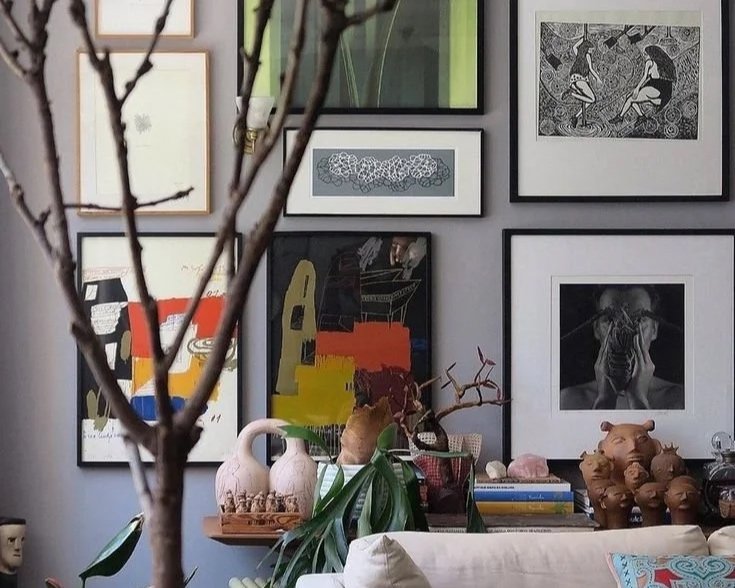
Everyone's saved folder starts the same way: impulsively. A painting stops you mid-scroll, your thumb does its thing, and you move on. No curatorial intent, no plan. Which is exactly why, six months in, that folder is the most honest document of your taste in existence. Nobody performs for their own bookmarks.
Most people never look back at what they've saved, and that's the missed opportunity. Because a saved folder isn't a wish list. It's evidence. Read properly, it will tell you what you actually love, which is not always what you think you love, and it will tell you what to buy next with more accuracy than any trend report. Here's how to read yours.
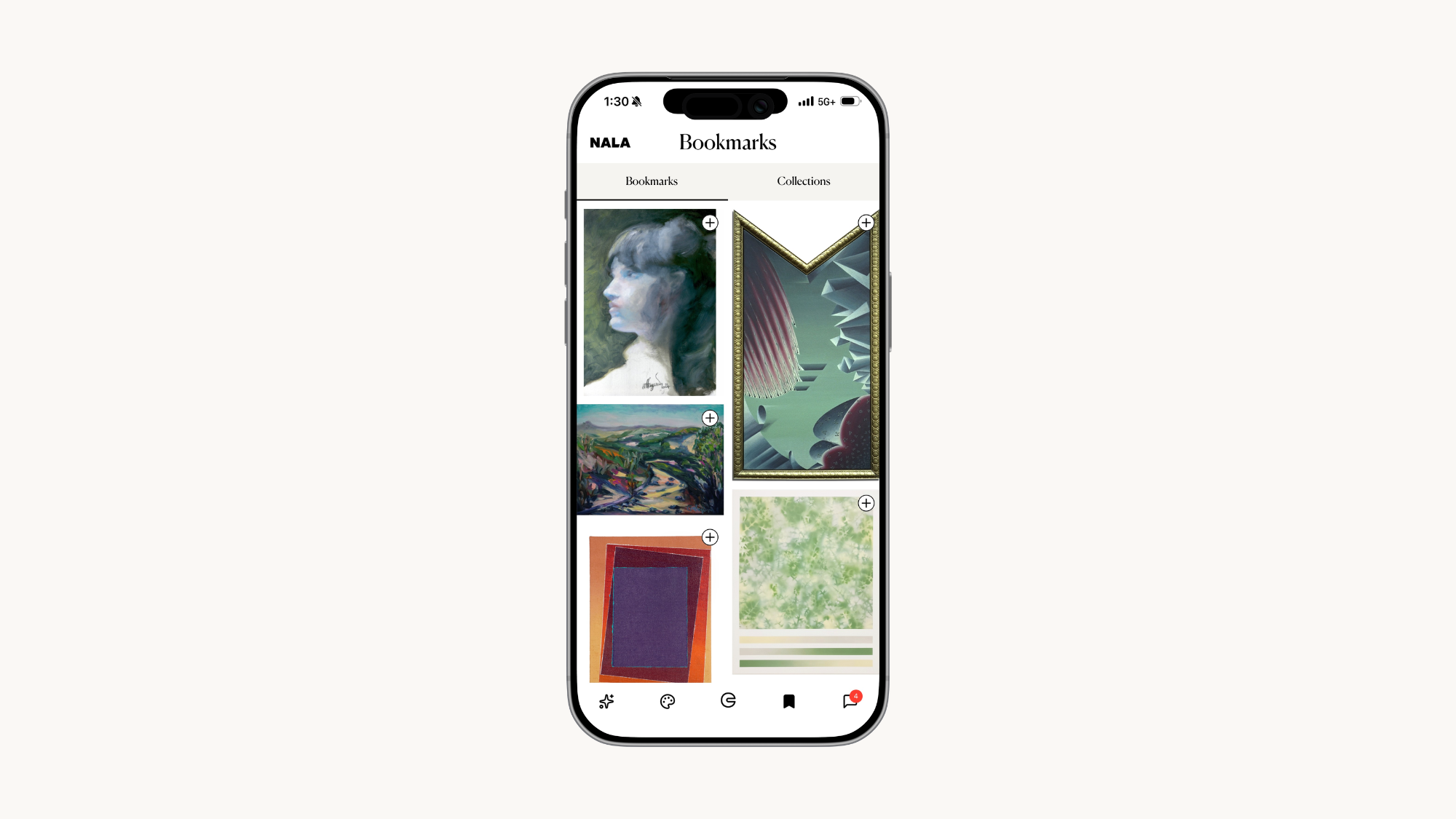
Read for repetition, not highlights
Open your saves and resist the urge to revisit favorites. You're not browsing now, you're looking for patterns, and patterns live in repetition. Scroll the whole folder quickly, twice, and notice what keeps happening. Is there a palette that recurs, earth and rust, or blues that lean cold? Do figures keep appearing, or is it all landscape and abstraction? Are you saving big statement energy or small intimate works? The things you saved once are interests. The things you saved eleven times are you.
Notice the gap between your walls and your saves
Here's where it gets interesting: compare what you save with what you've actually bought, or what hangs in your home. For most people there's a gap, the walls are safer than the saves. Careful neutrals in the house, wild color in the folder. Tasteful landscapes hung, strange little portraits saved. That gap is worth taking seriously, because the saves are the truer signal. The wall shows what you felt safe buying. The folder shows what you actually want. The best next purchase usually lives in the gap.
Look for the odd one out
Every saved folder has a few entries that don't fit the pattern, the sculpture in a folder full of paintings, the chaotic abstract in a sea of calm. Don't dismiss these as mistakes. An outlier you saved anyway is desire with no strategy attached, and it's often pointing at a taste you haven't given yourself permission to develop yet. Some of the best collections start when someone finally buys the odd one out.
Turn the reading into a brief
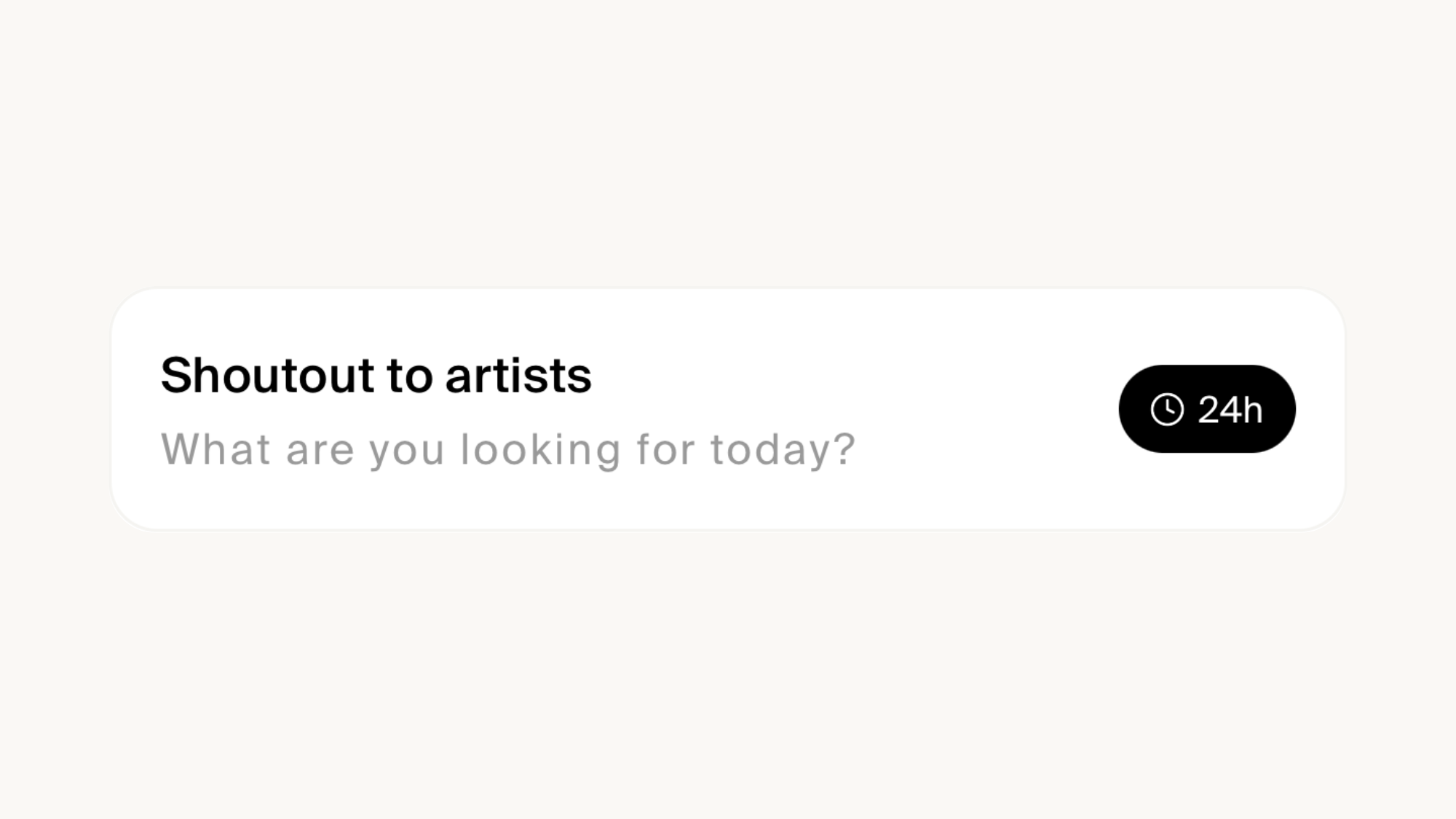
Once you've read the folder, you can do something collectors couldn't do until very recently: say what you found, out loud, and let it work for you. Your patterns are a brief. "Warm, layered abstracts with texture, smaller scale, under $1,500" is a sentence your saves basically wrote for you, and it's exactly the kind of thing to post as a Shoutout on NALA, where artists with the real thing can answer. The folder found the want. The shoutout finishes the job.
Your saves have been keeping notes on you for months. Go read them, and then go find the piece they've been trying to describe.