
Why the Most Collected Paintings Right Now Look Unfinished
Raw canvas, visible brushwork, edges left open. The look everyone wants has a long history, and a very current reason.
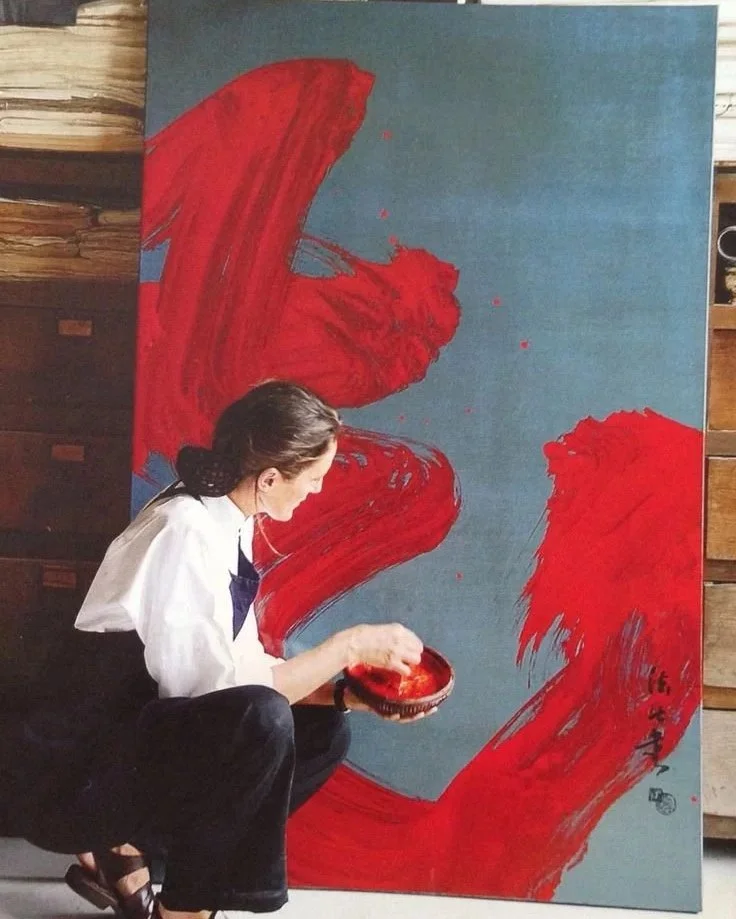
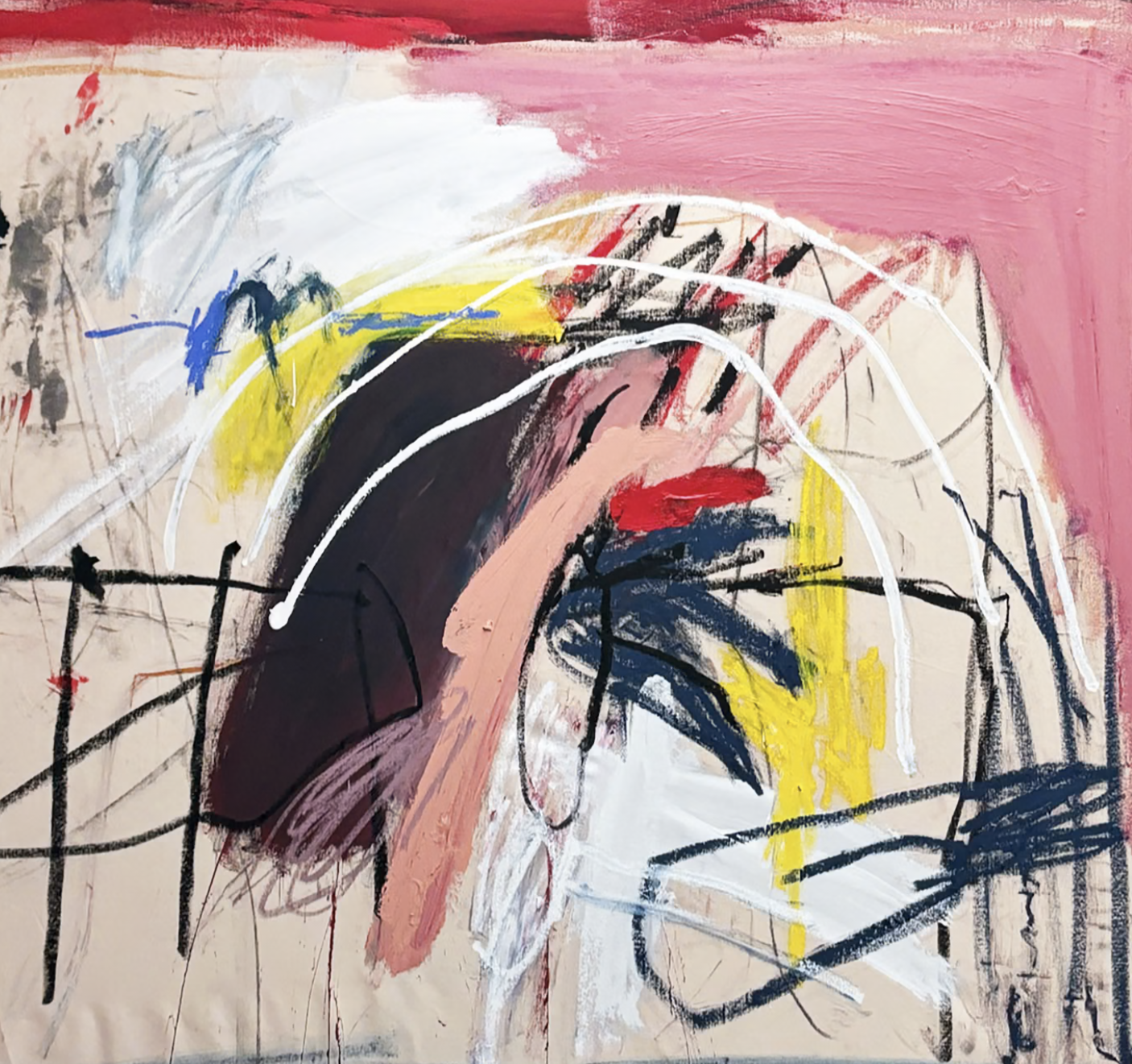
Walk through what's selling right now, on NALA, at the fairs, on the walls of the most-photographed interiors, and you'll notice something the art world hasn't quite said out loud: the finished look is out. The works collectors are moving toward show their seams. Bare canvas breathing at the edges. Brushstrokes that were clearly made in seconds and never smoothed over. Underdrawing ghosting through the paint. Paintings that look, to a certain kind of eye, like the artist walked away mid-thought.
They didn't. And why that look is winning right now says a lot about what we want from art at this exact moment.
The oldest trick in the book
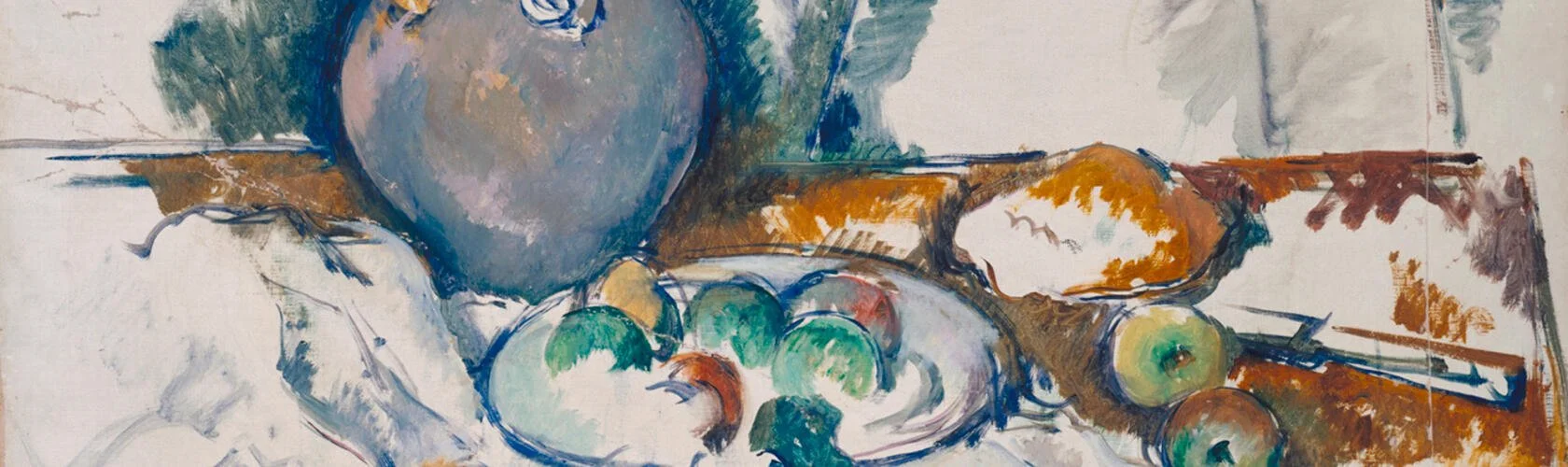
The unfinished look has a name, non finito, and a lineage that runs through the best rooms in art history. Michelangelo left figures half-emerged from their marble, and those prisoners are now more studied than many of his polished works. Cézanne left patches of canvas untouched his whole late career. Turner's final paintings dissolved into weather. The Impressionists were dismissed as painters of "mere sketches" before those sketches rewrote the definition of finished.
What all of them understood is that a work completed to the last inch closes itself off. It tells you everything, and then it's done telling. A work with openness in it leaves the viewer a job, and that job is precisely what keeps a painting alive on a wall.
Your brain finishes the painting
There's a reason the eye keeps returning to open works, and it's wiring, not fashion. The mind is a compulsive completer: give it a suggestion of a figure, a field of color that stops before the edge, a line that trails off, and it fills in the rest, differently each time, depending on the day you bring to it. A hyper-finished painting does the looking for you. An open one recruits you into it. Collectors who live with this work describe the same experience: it changes, though of course what's changing is them. That's not a flaw in the painting. That's the painting working.
Proof a human was here
But the timing of this moment isn't an accident. We're several years into a flood of machine-made images, each one seamless, symmetrical, and finished to a lacquered perfection no hand could produce, and the market's response has been to run the other way. The rough mark, the visible correction, the raw edge: these have become the watermark of the human. A brushstroke made in half a second and left alone is something no algorithm has a reason to fake and no reproduction can carry. In an era of infinite perfect images, evidence of hesitation is the new luxury.
Collecting the open work
If this look pulls at you, a few things to hold onto. Unfinished-looking is not unresolved: in a strong work the openness is placed, the artist decided where to stop, and you can feel the decision. Look for confidence in the marks rather than fuss. And trust the return test above all, the open work is the one you'll still be finding things in years from now, which is the whole reason to own a painting rather than a poster of one.
The artists making this work are on NALA now, seams showing, exactly as intended.